Woman Portrait
- caricature /
- Woman Portrait

The tradition of woman portrait painting goes back centuries, with artists using it to capture both beauty and personality, often revealing more than just physical appearance.

In the Renaissance, women like Isabella d’Este were often portrayed as symbols of grace and intellect, with their portraits highlighting their social status and personal achievements.

Famous artists like Leonardo da Vinci and Johannes Vermeer created timeless woman portraits, with works such as the "Mona Lisa" and "Girl with a Pearl Earring" becoming iconic.
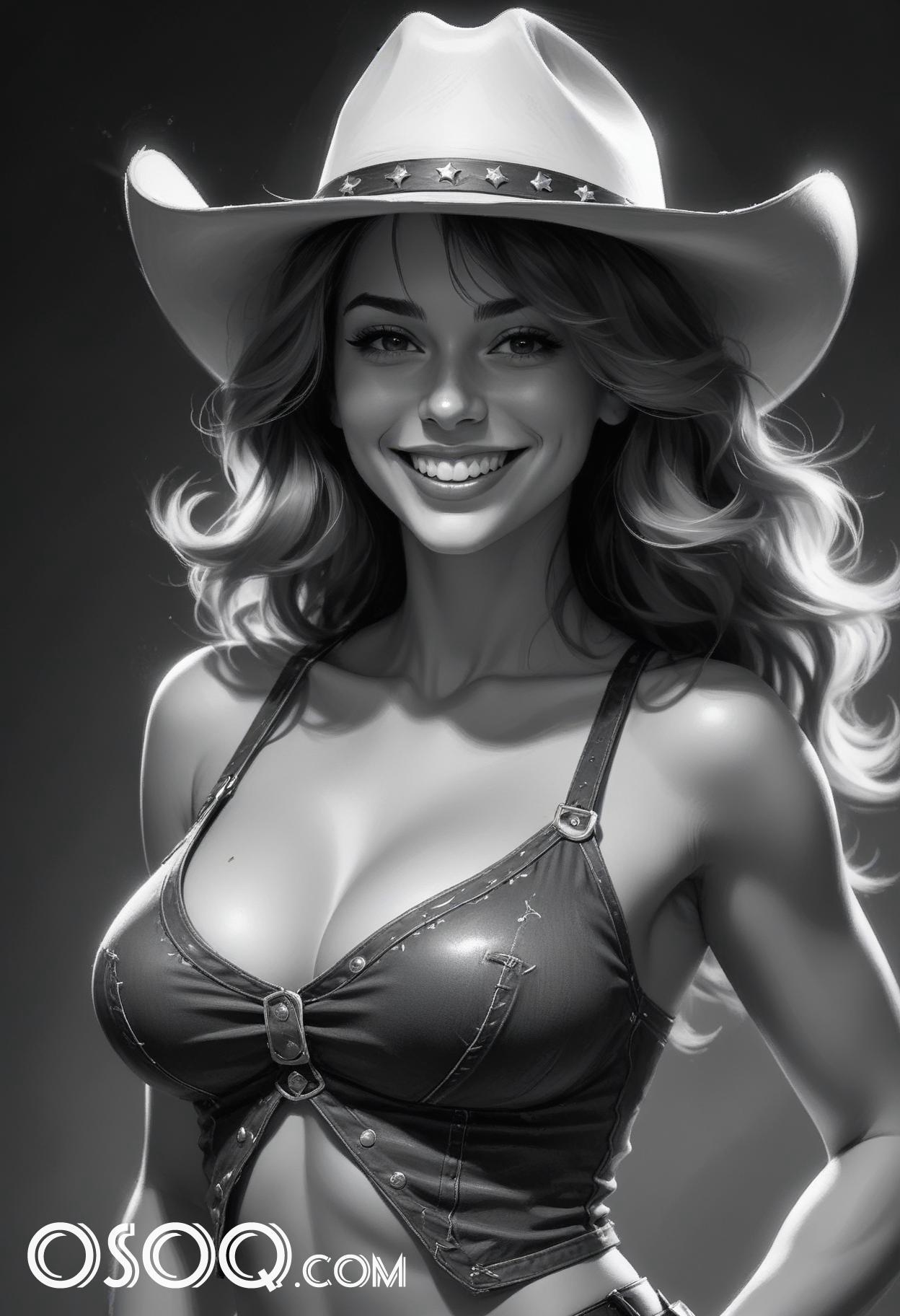
One unique feature of a woman portrait is the use of symbolism—flowers, jewelry, and even the background often carry hidden meanings about the woman’s life or social standing.
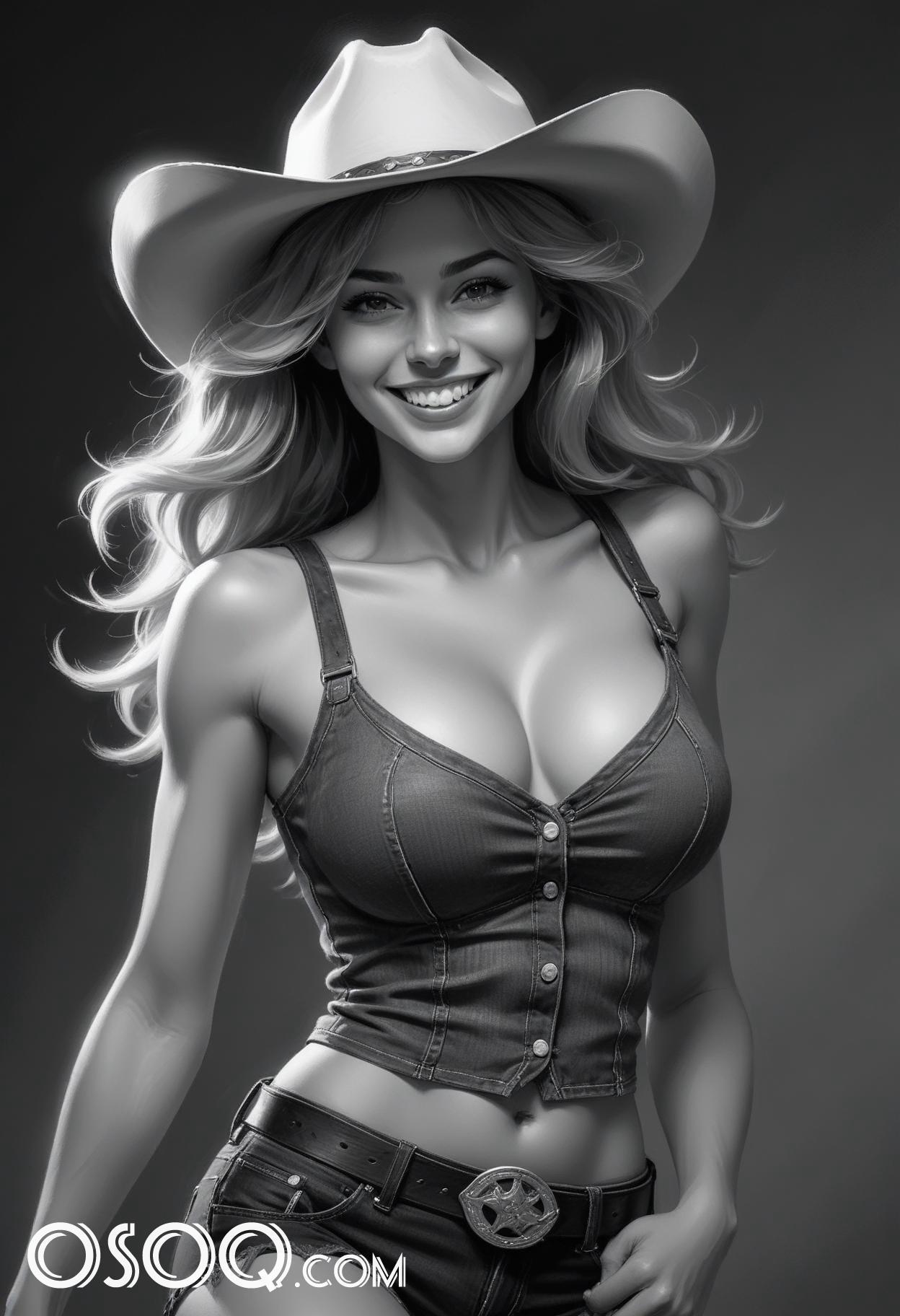
During the Baroque period, woman portraits became more dramatic, with artists like Artemisia Gentileschi using light and shadow to enhance the emotional depth of their subjects.
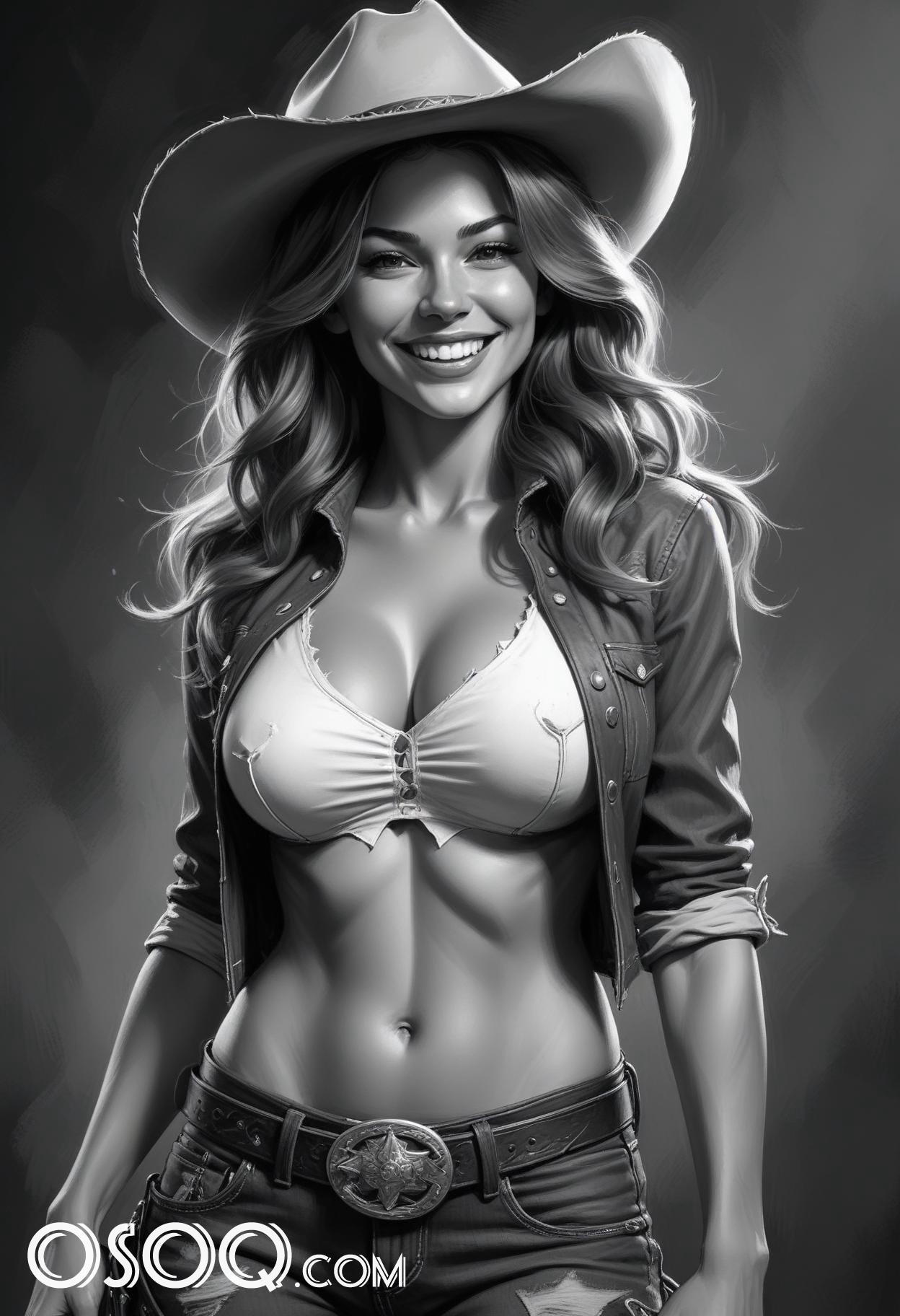
The Victorian era saw the rise of more formal woman portraits, often focusing on ideals of femininity and domesticity, with soft, romanticized features.
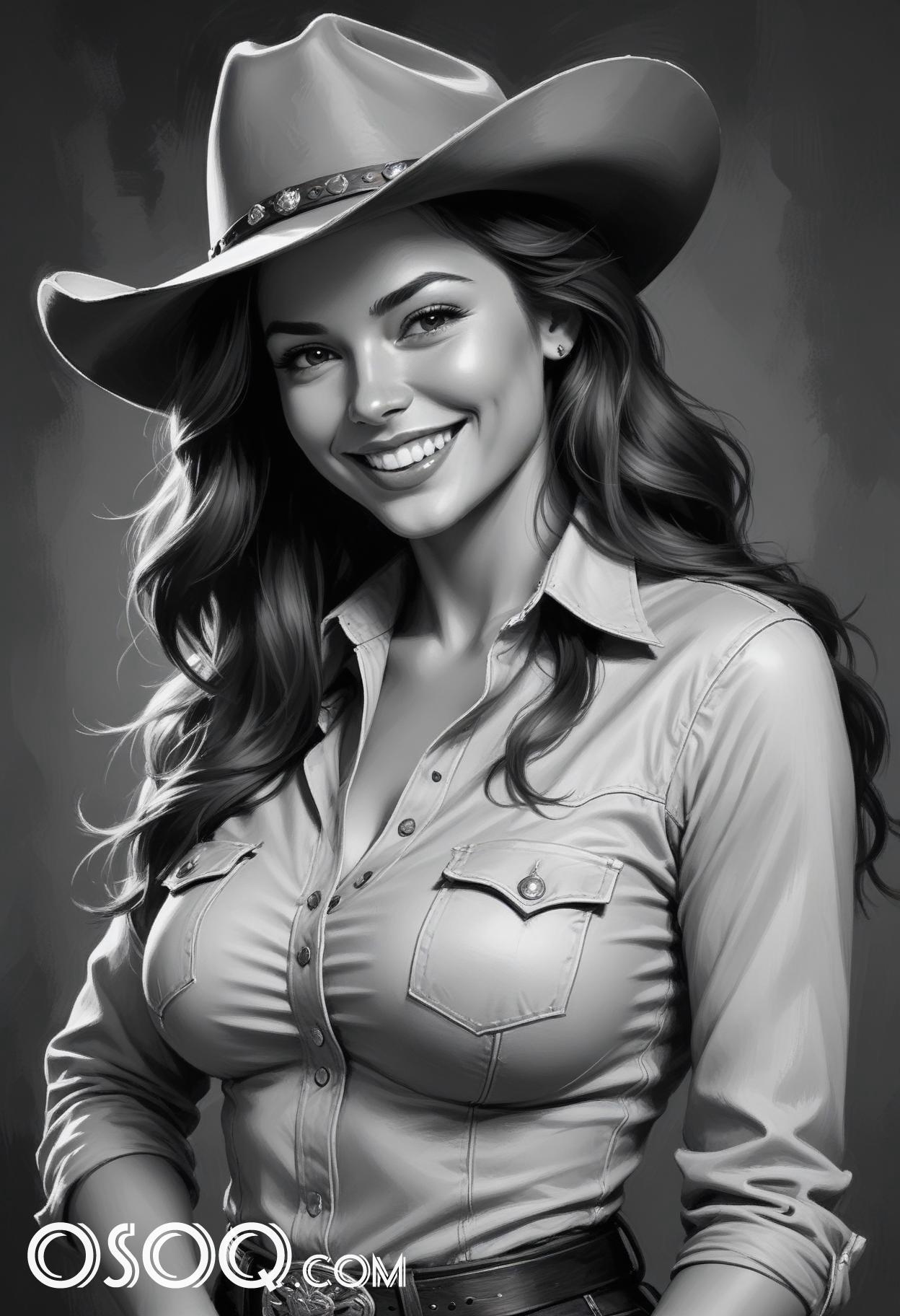
In the 20th century, portrait styles evolved with movements like Cubism and Surrealism, where artists like Picasso reinterpreted the traditional woman portrait in abstract forms.
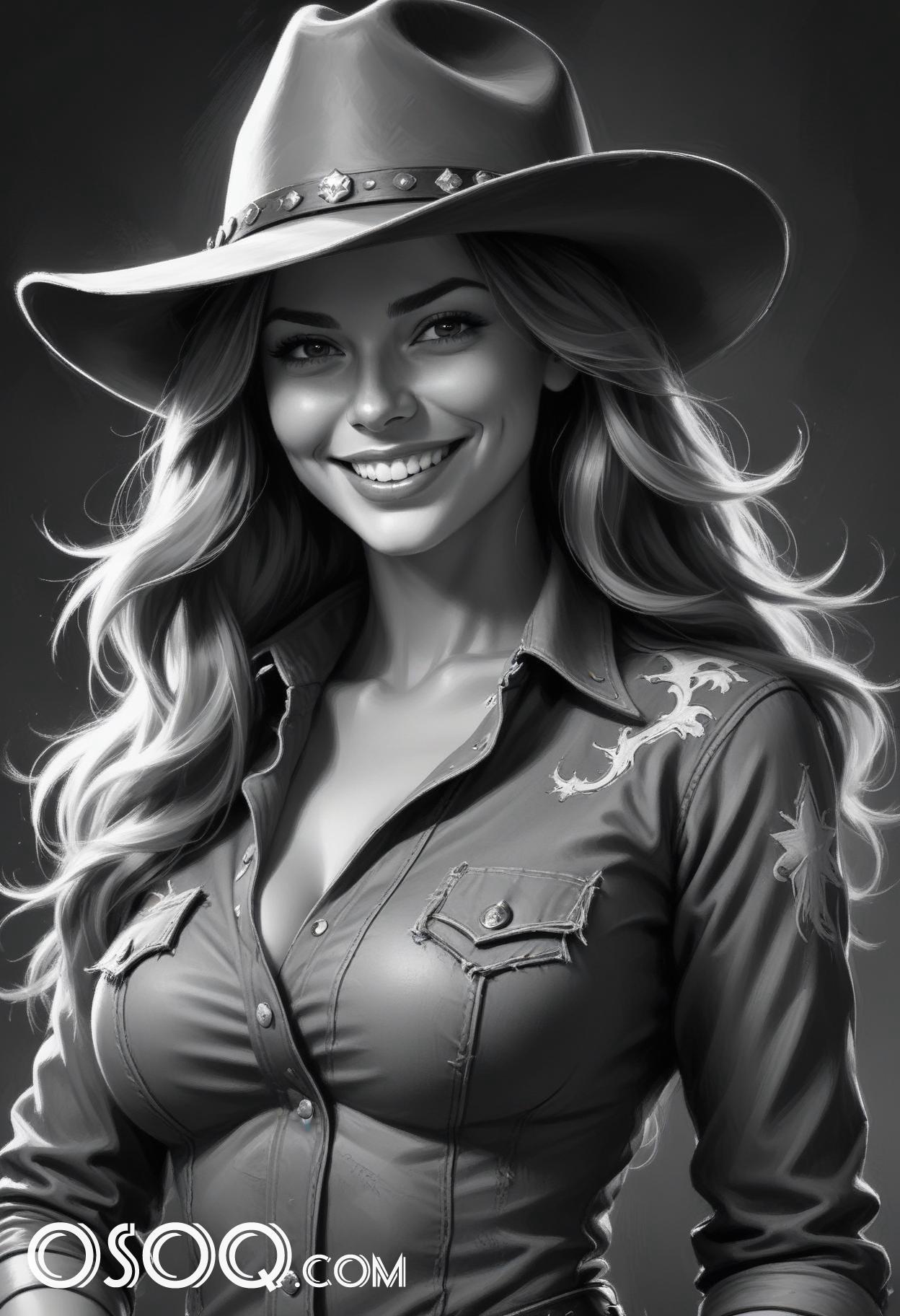
One of the most striking aspects of Frida Kahlo's work is her self-portraits, which are deeply personal and often blur the lines between reality and symbolism, making her a key figure in woman portrait history.

In a woman portrait, the gaze can say a lot—whether the subject is looking directly at the viewer or off to the side can change the entire feeling of the piece.
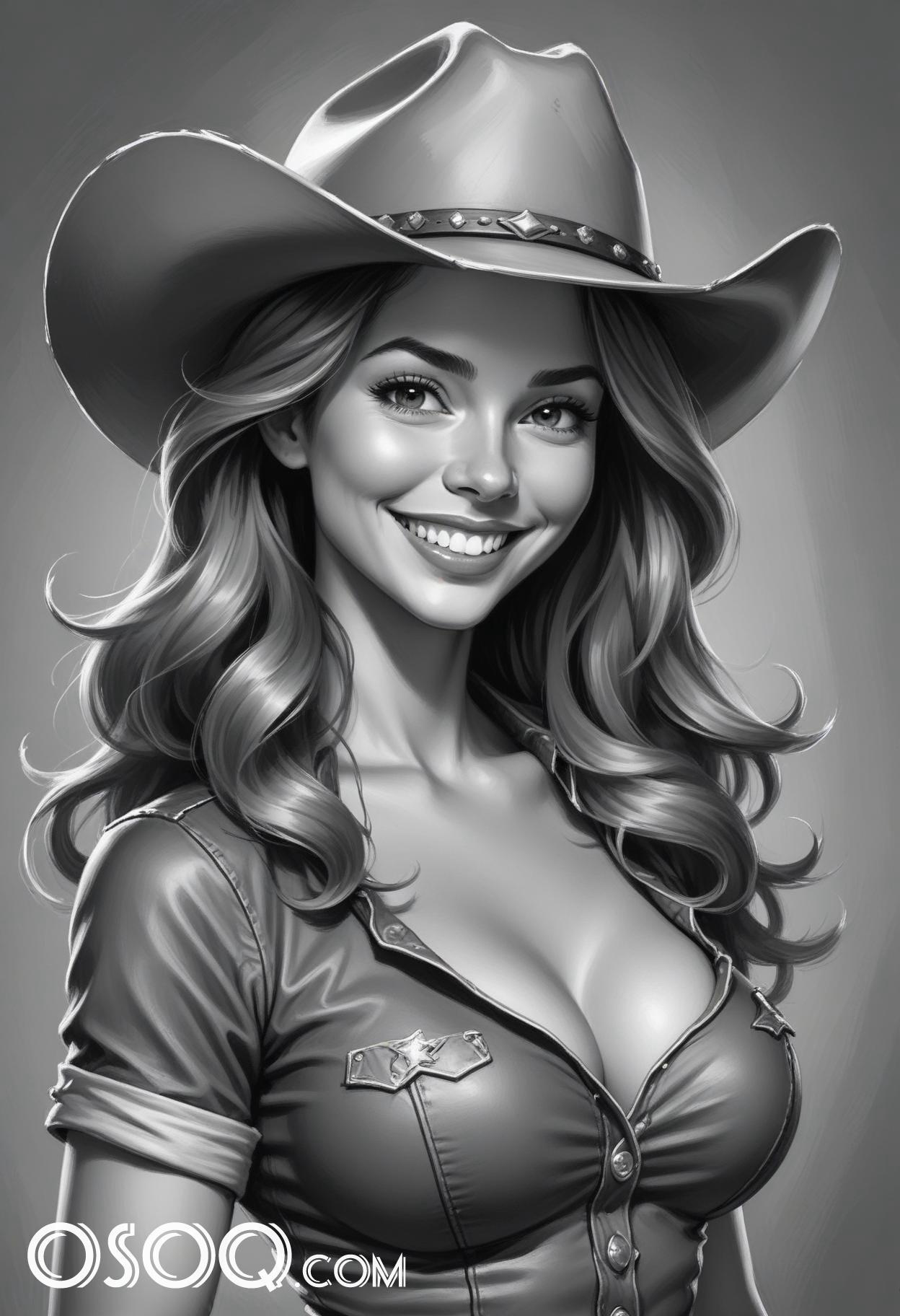
Women artists have played a huge role in redefining portraiture, with painters like Mary Cassatt focusing on the everyday moments of women and their relationships.
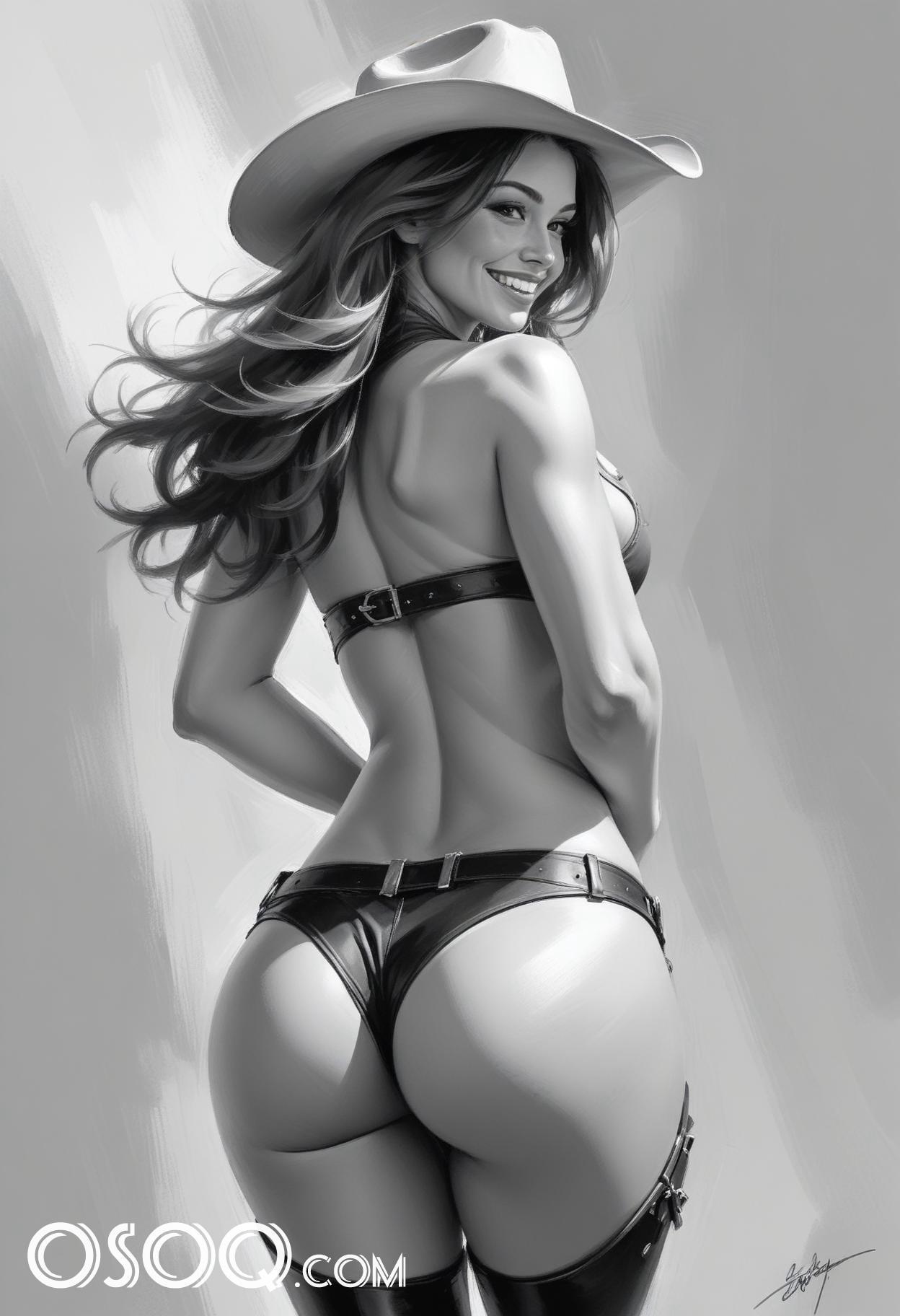
In the digital age, portrait art has expanded, with many contemporary woman portraits now incorporating photography and digital tools to create lifelike or stylized interpretations.

In addition to paint, mediums like charcoal, pastel, and photography have all been used to create stunning woman portraits, each bringing its own texture and tone to the subject.
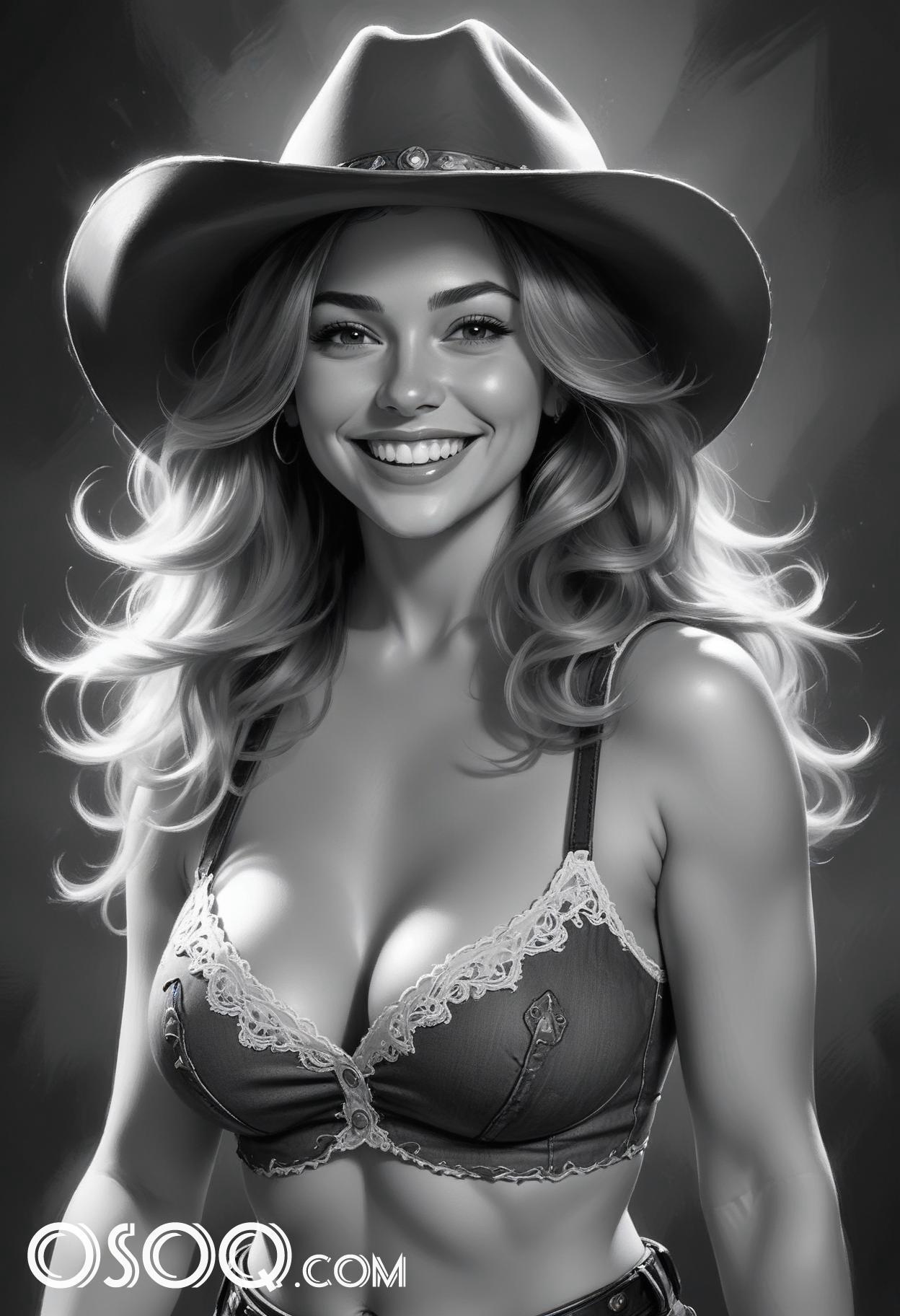
Some of the most powerful woman portraits are those that focus on breaking traditional beauty standards, highlighting the diversity of women across different cultures and time periods.
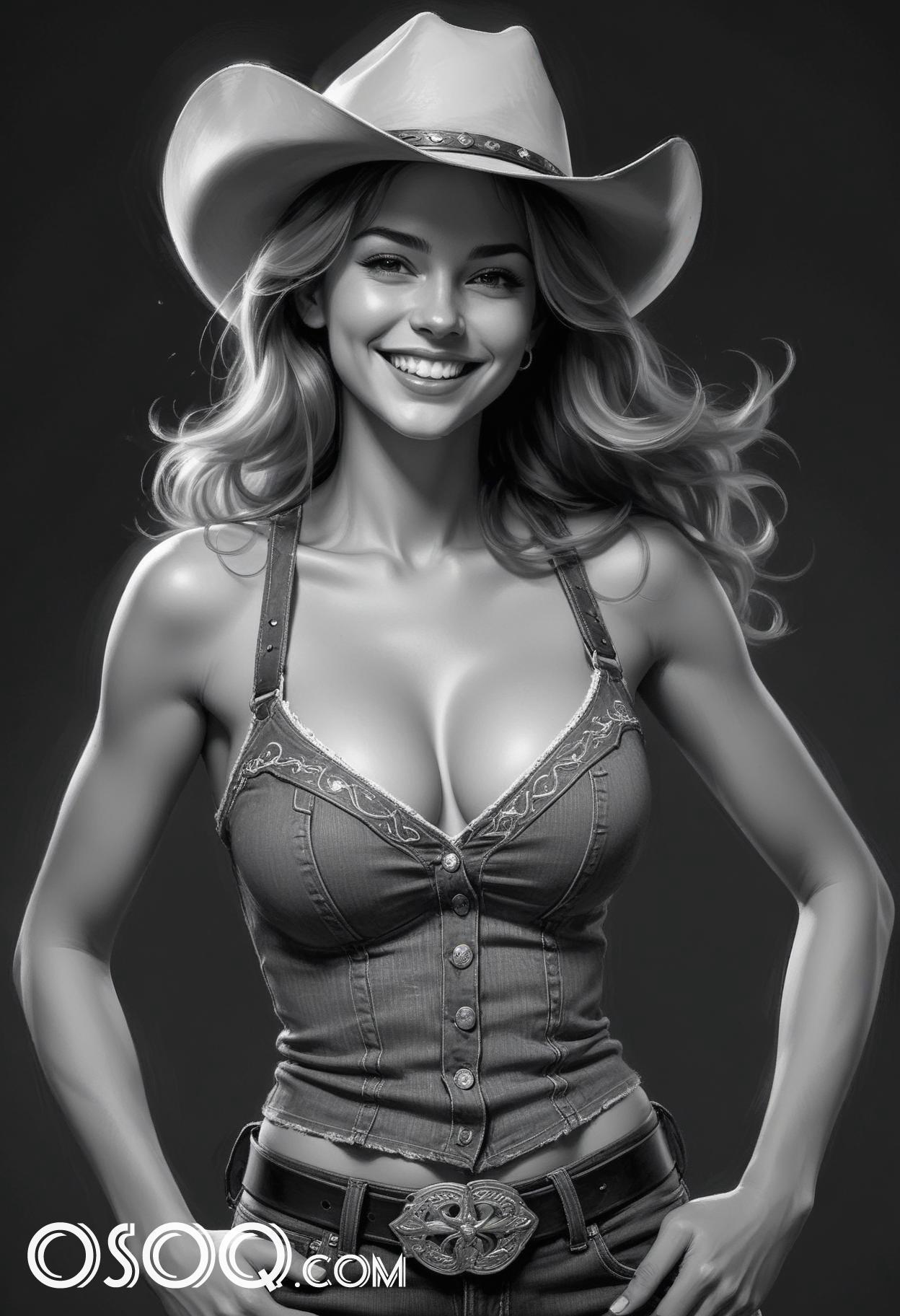
Portraits of women from royalty, like Queen Elizabeth I, have often emphasized elaborate costumes and settings to convey their power and authority, making the portrait as much about status as it is about the person.

Contemporary artist Kehinde Wiley is known for his vibrant and bold portraits of women, reimagining classical styles with modern subjects, blending past and present.
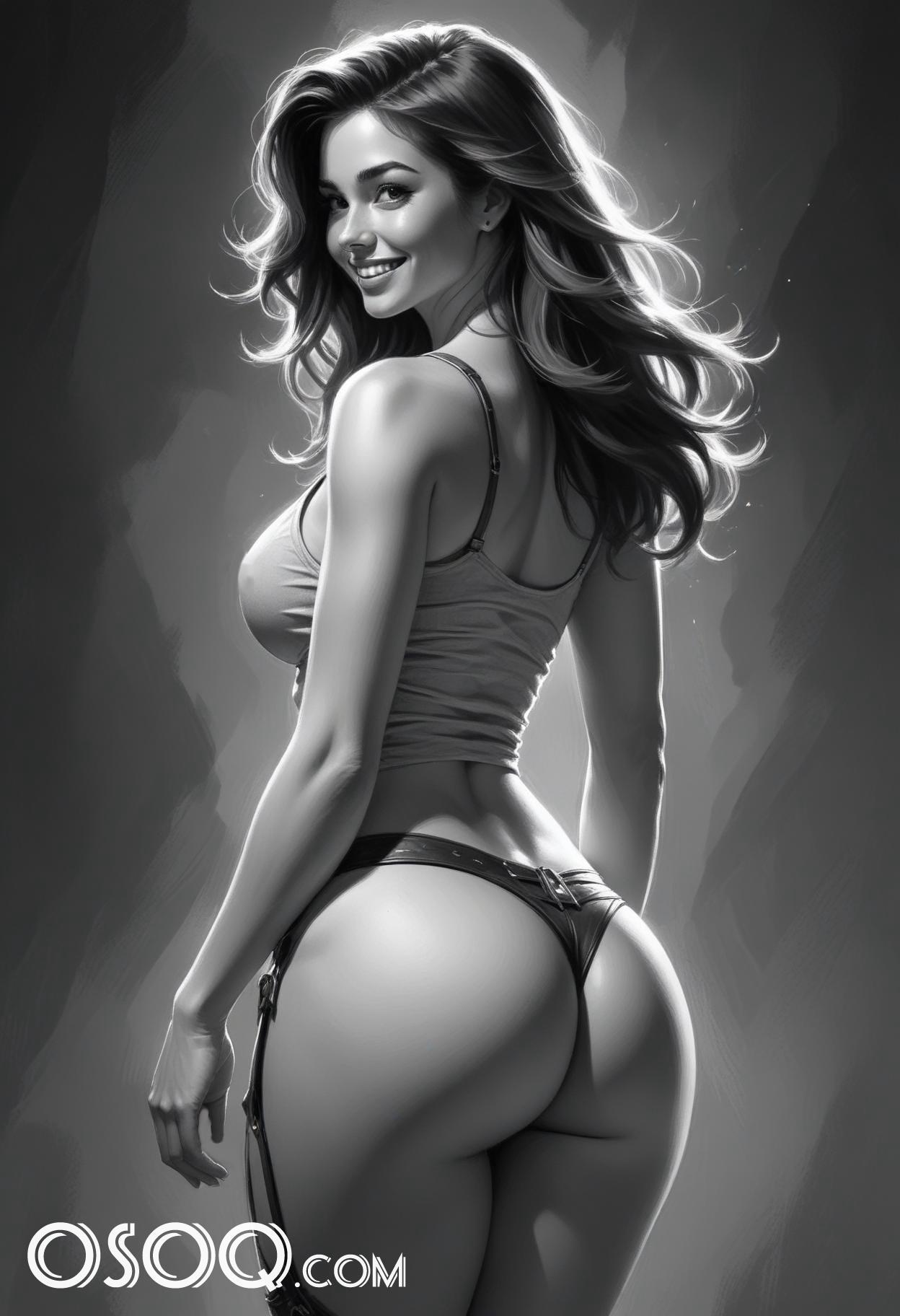
The Renaissance artist Sofonisba Anguissola was one of the first women to gain fame for her portrait work, with her detailed and expressive paintings of women earning her royal commissions.
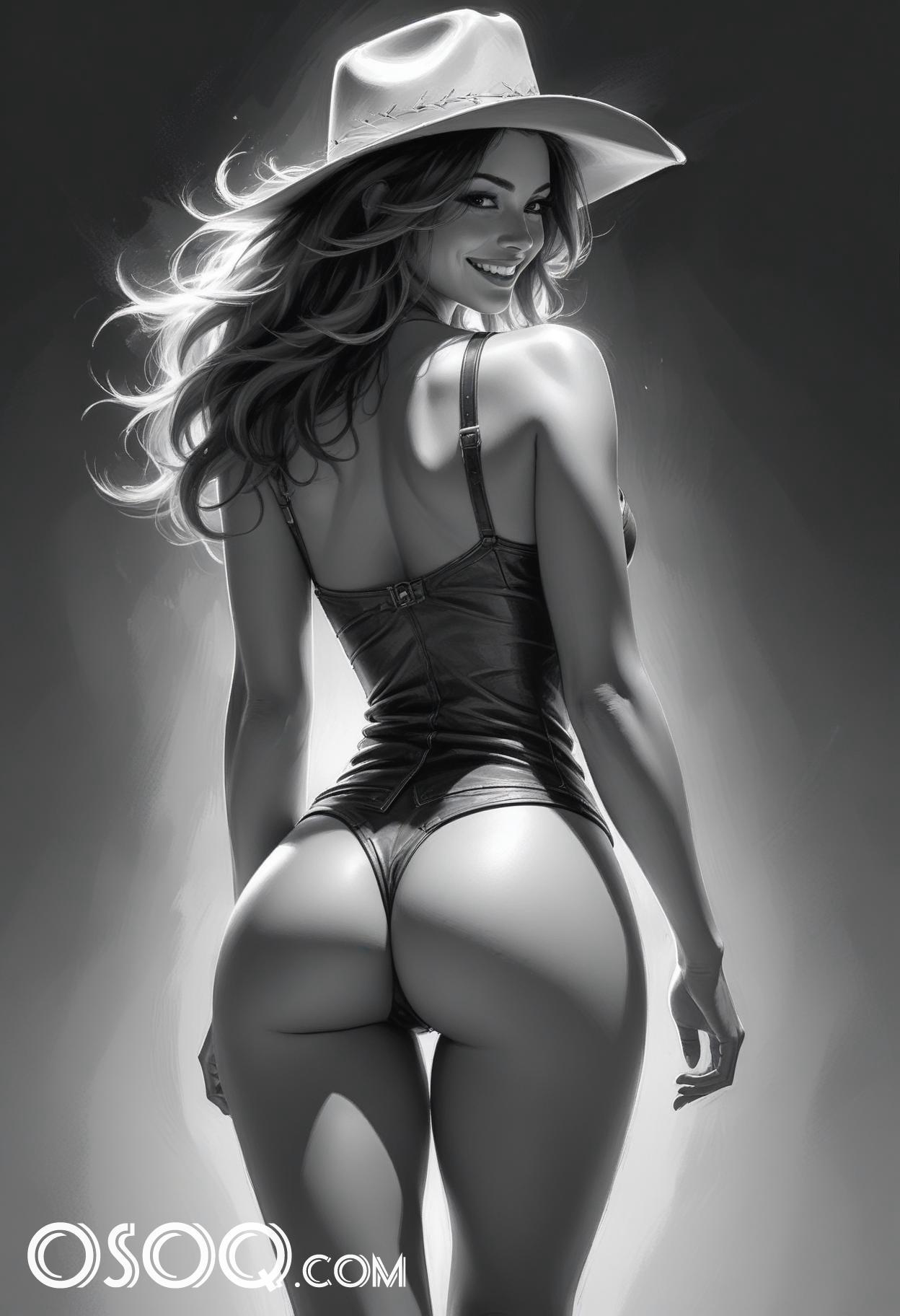
The lighting in a woman portrait can drastically affect its mood, with soft lighting often used to create a gentle, serene effect, while harsher lighting can add drama and intensity.
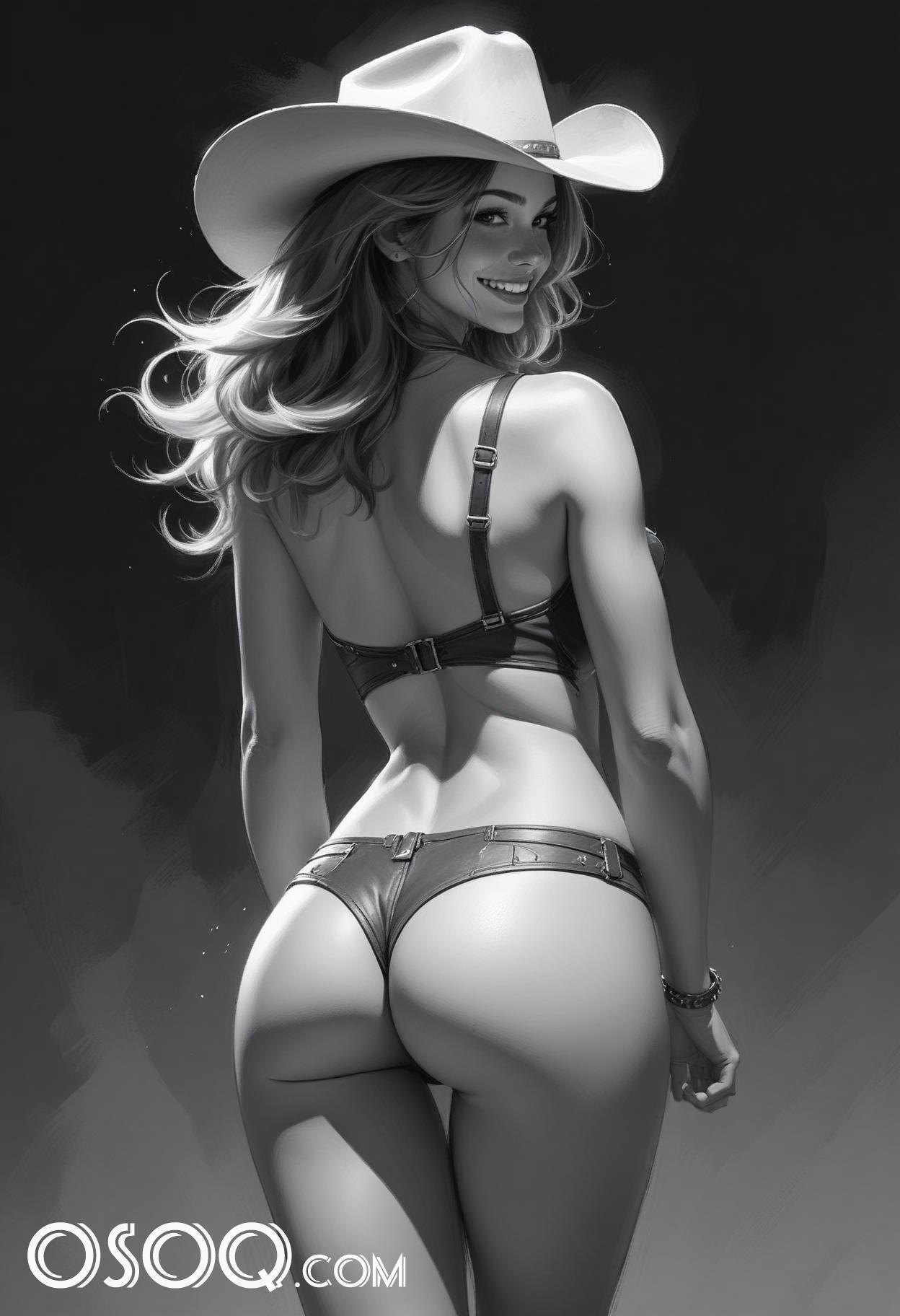
Some woman portraits are not just about the face but also about capturing the personality, with body language, posture, and even the background playing key roles in telling the subject's story.
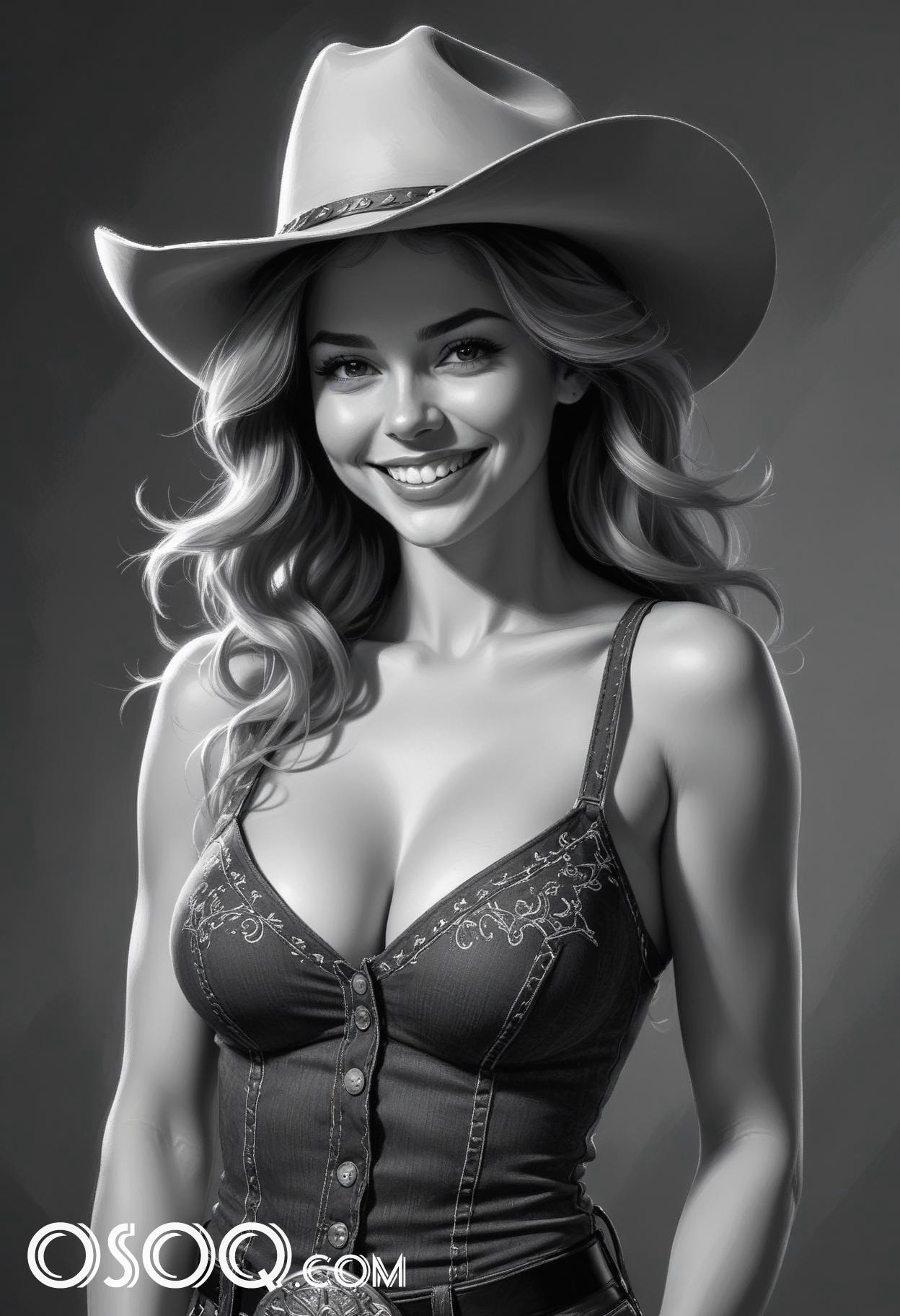
Self-portraits are a significant part of woman portrait art, offering a way for female artists to explore their own identities and challenge societal expectations.
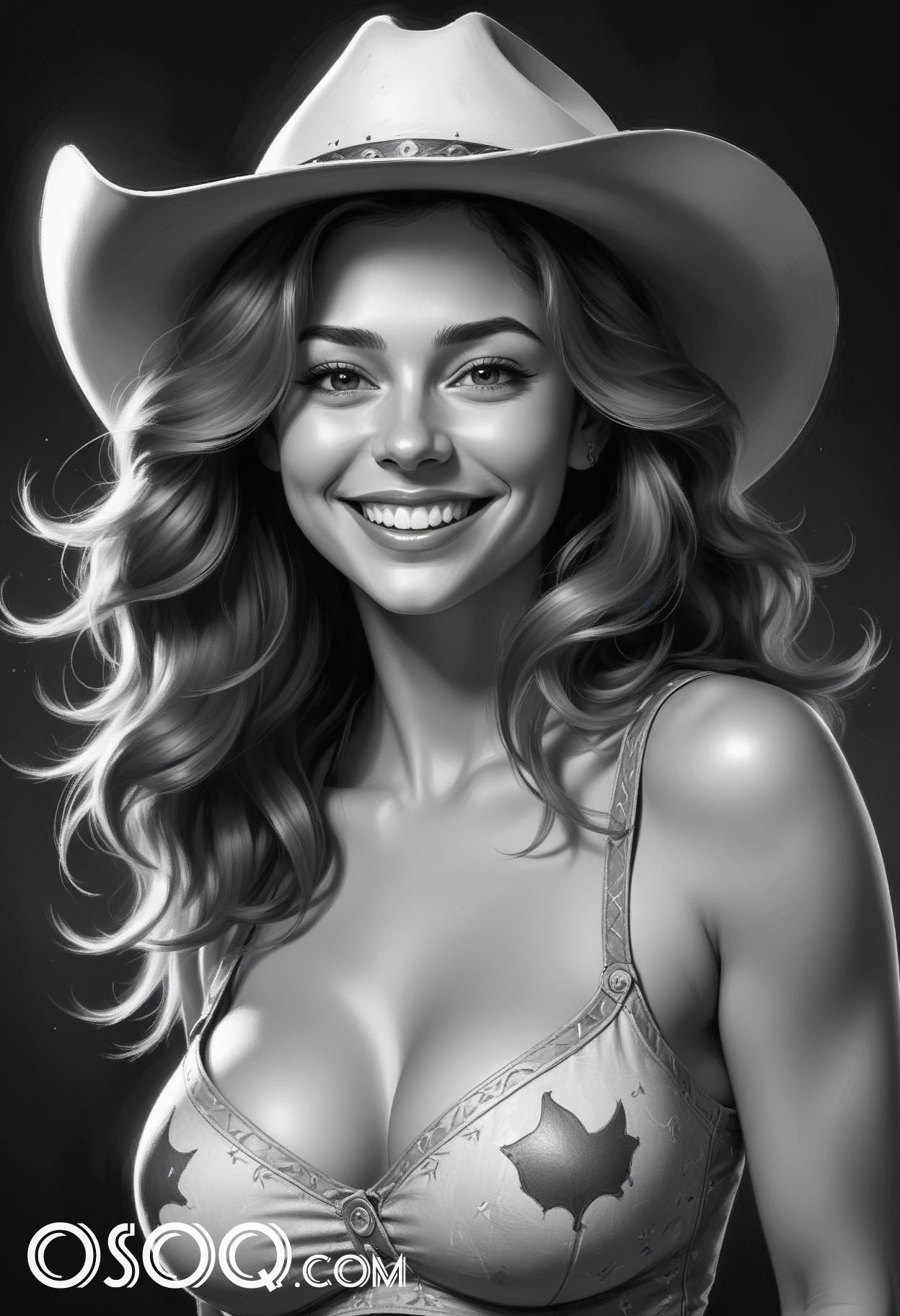
The evolution of the woman portrait continues to inspire, as artists experiment with new techniques and perspectives to represent women in ways that go beyond traditional expectations.