Woman Art
- caricature /
- Woman Art
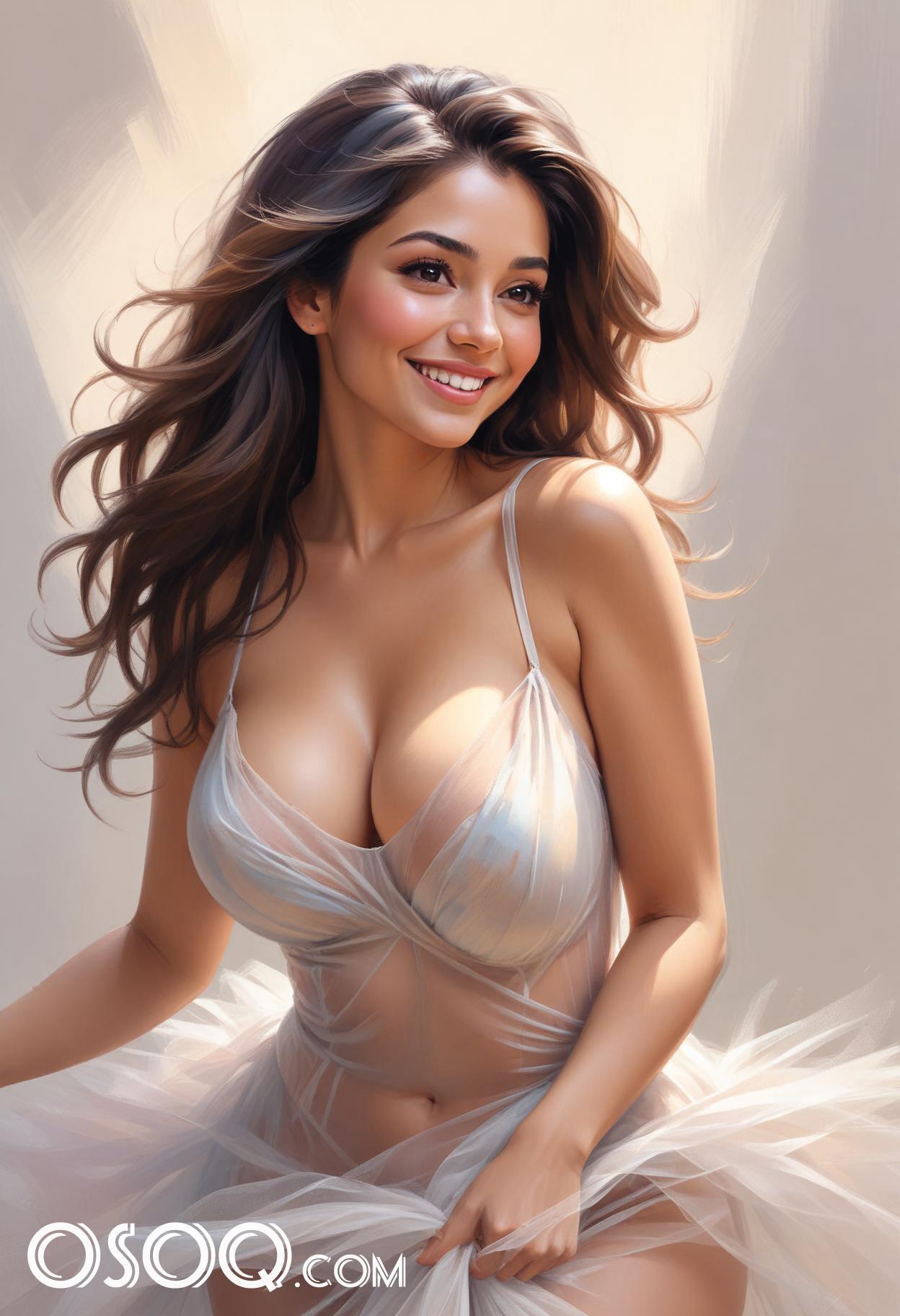
Woman art has been a powerful force in shaping the history of painting, as women have used art to express personal experiences, emotions, and social issues.

In the early days, women often faced barriers to pursuing art professionally, yet many still found ways to make their mark, especially in portrait painting and still life.

One of the most well-known names in woman art is Artemisia Gentileschi, a Baroque painter whose dramatic and intense works often depicted strong women from history and mythology.
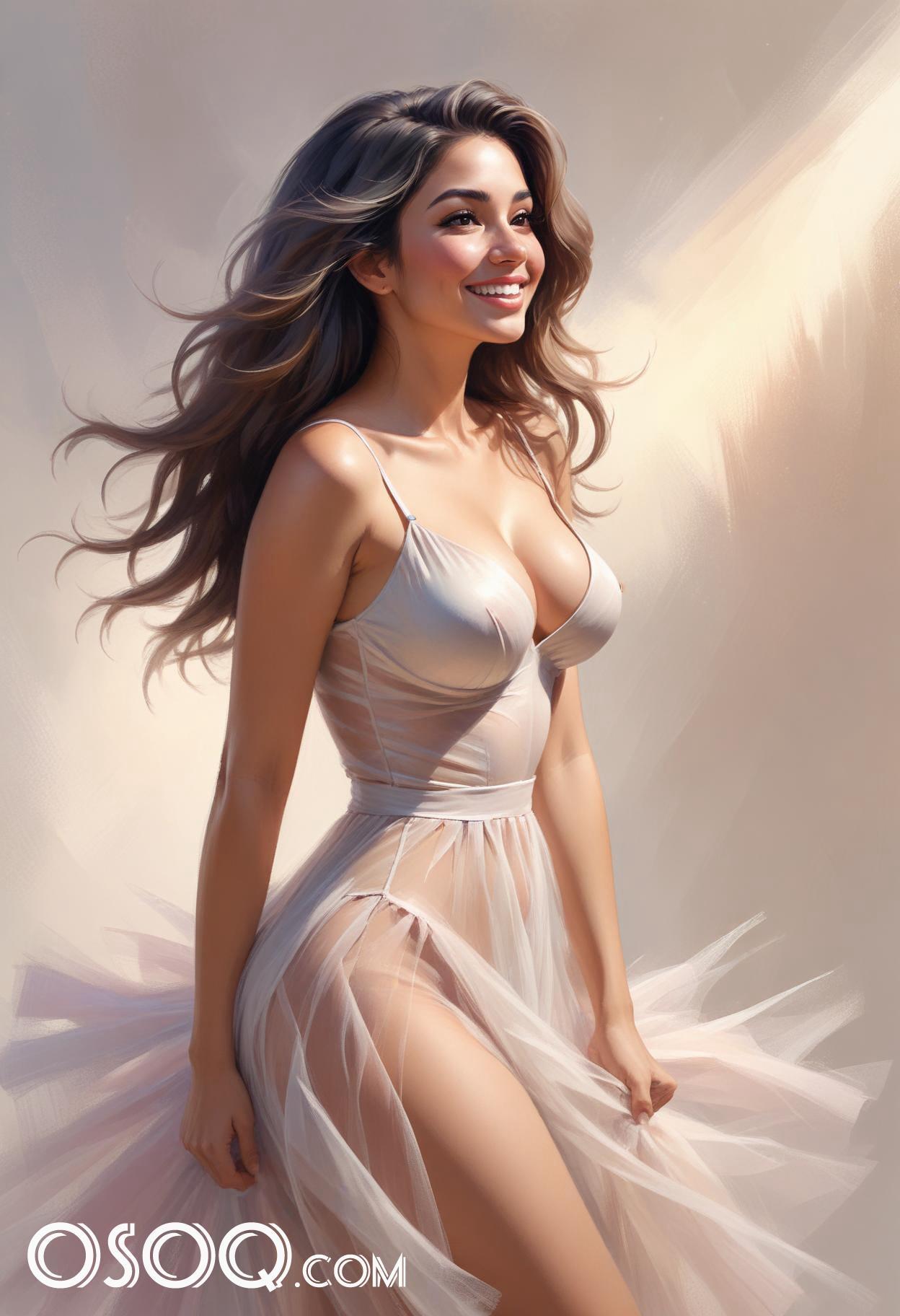
Frida Kahlo, famous for her deeply personal and surreal paintings, used her work to explore themes like identity, pain, and womanhood, making her a key figure in woman art.

During the 19th century, women artists began to challenge traditional roles, contributing to major movements like Impressionism and becoming celebrated for their innovative styles.

Mary Cassatt is another notable figure in woman art, recognized for her tender depictions of motherhood and the everyday lives of women, often portrayed with a soft, pastel palette.
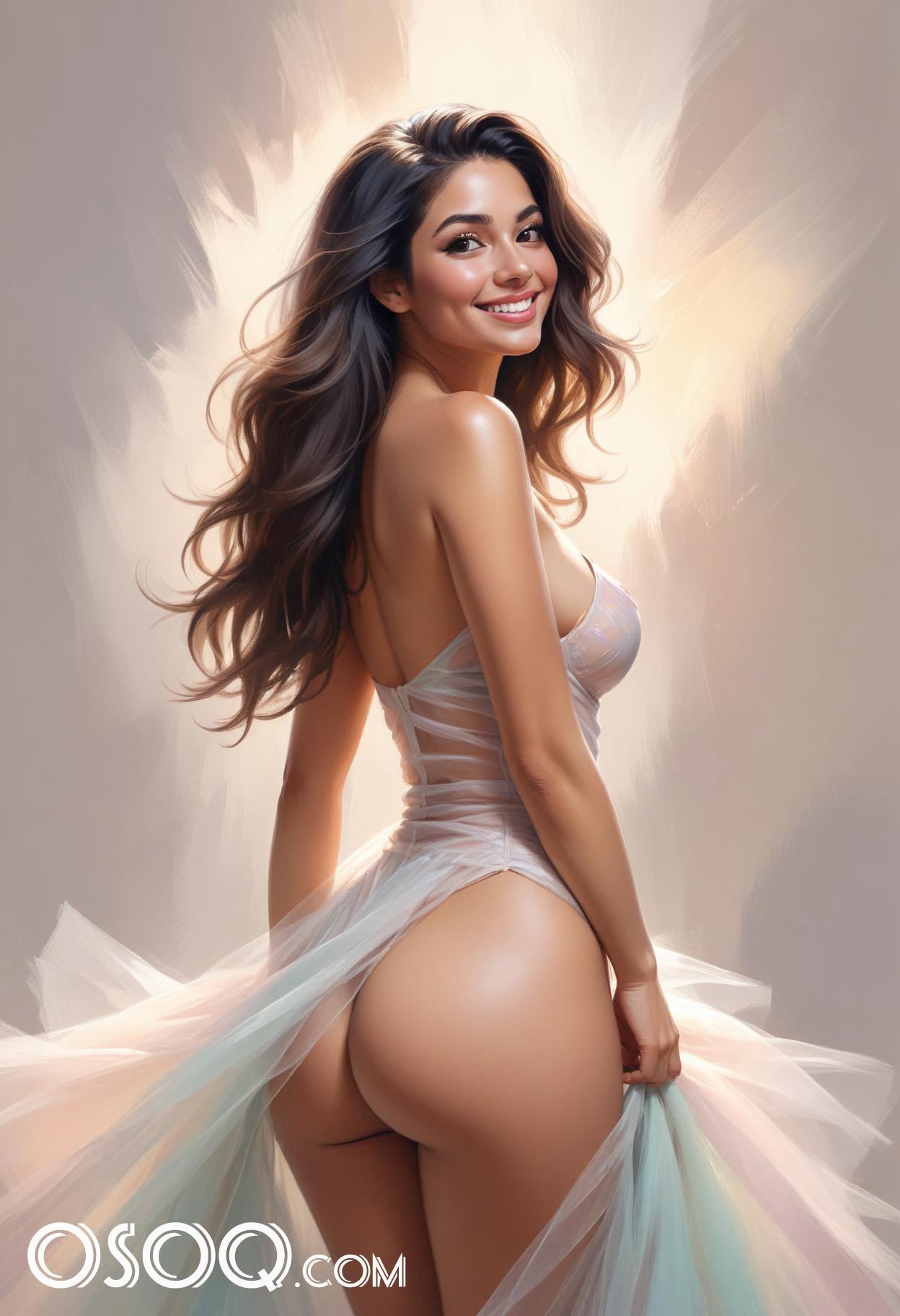
The feminist art movement of the 1970s gave rise to a new wave of woman art, with artists like Judy Chicago using their work to explore gender politics and women's history.

Women have often focused on themes like domestic life, nature, and self-representation in their art, adding layers of meaning to subjects that were once considered minor.
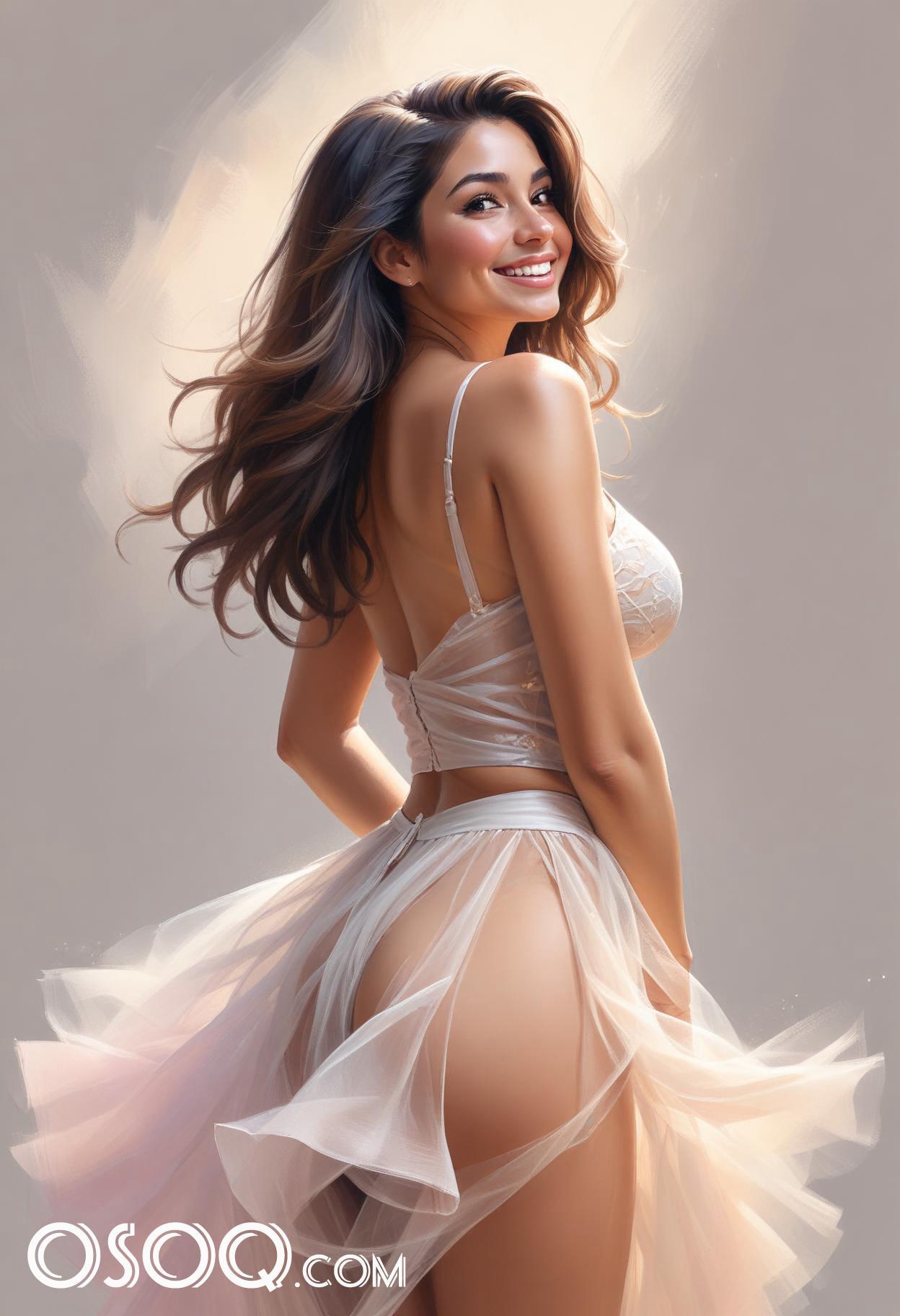
Self-portraiture has been a major aspect of woman art, allowing female artists to take control of how they are seen, often challenging traditional beauty standards and gender roles.

Georgia O'Keeffe, known for her large-scale paintings of flowers and landscapes, is often celebrated as a pioneer in modern woman art, combining nature and abstraction in a unique way.

In many cultures, women artists have used their work as a form of activism, addressing issues like gender inequality, reproductive rights, and social justice through their paintings.
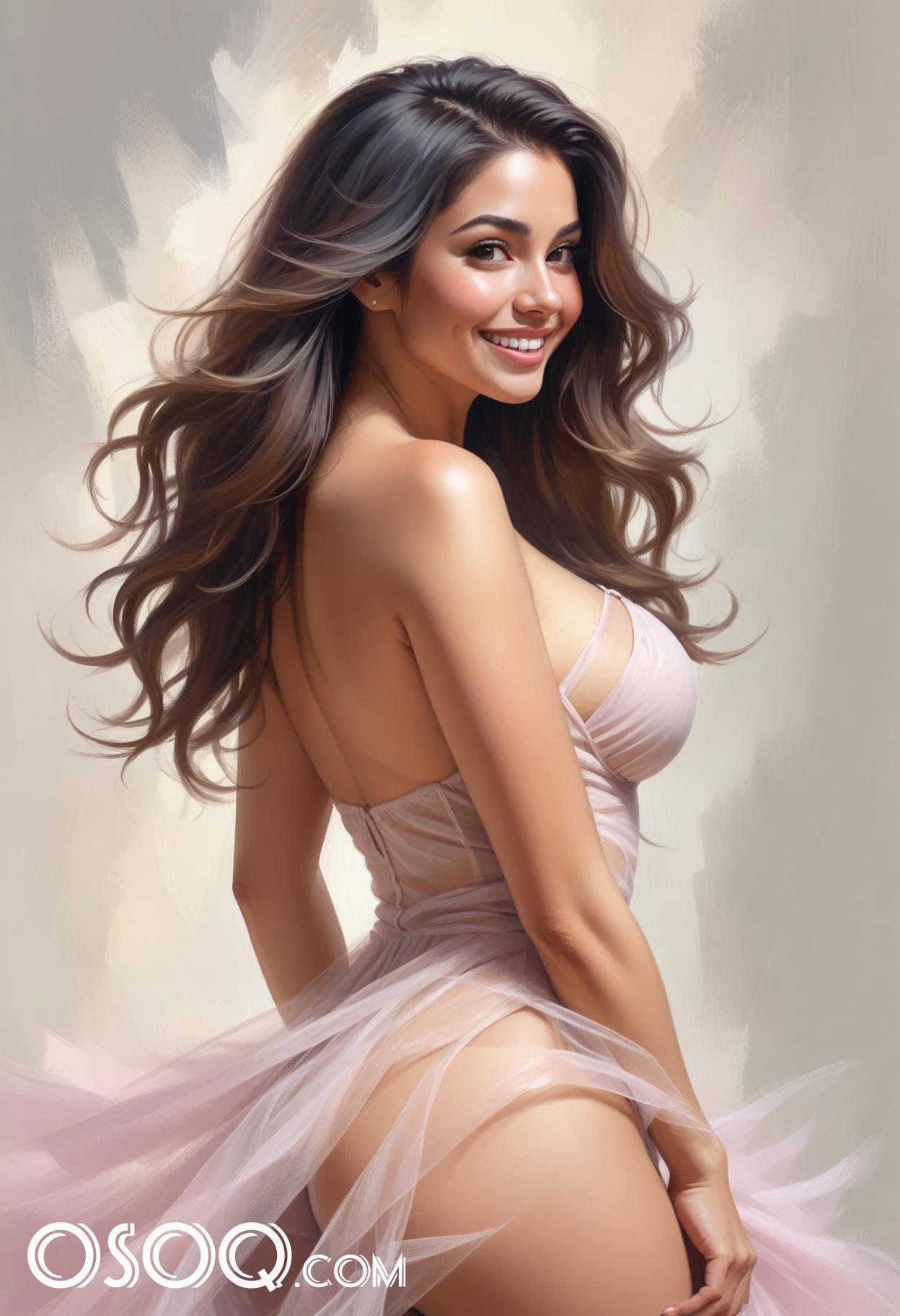
Many female painters have drawn inspiration from the women in their lives, from mothers to daughters, depicting the strength and resilience found in everyday relationships.

Louise Bourgeois was famous for her abstract and often unsettling works, exploring the complexities of the human mind, family dynamics, and trauma, making her a key figure in 20th-century woman art.

In the Renaissance, women like Sofonisba Anguissola managed to break through the male-dominated art world, earning recognition from peers and even royal patrons for their detailed portraits.
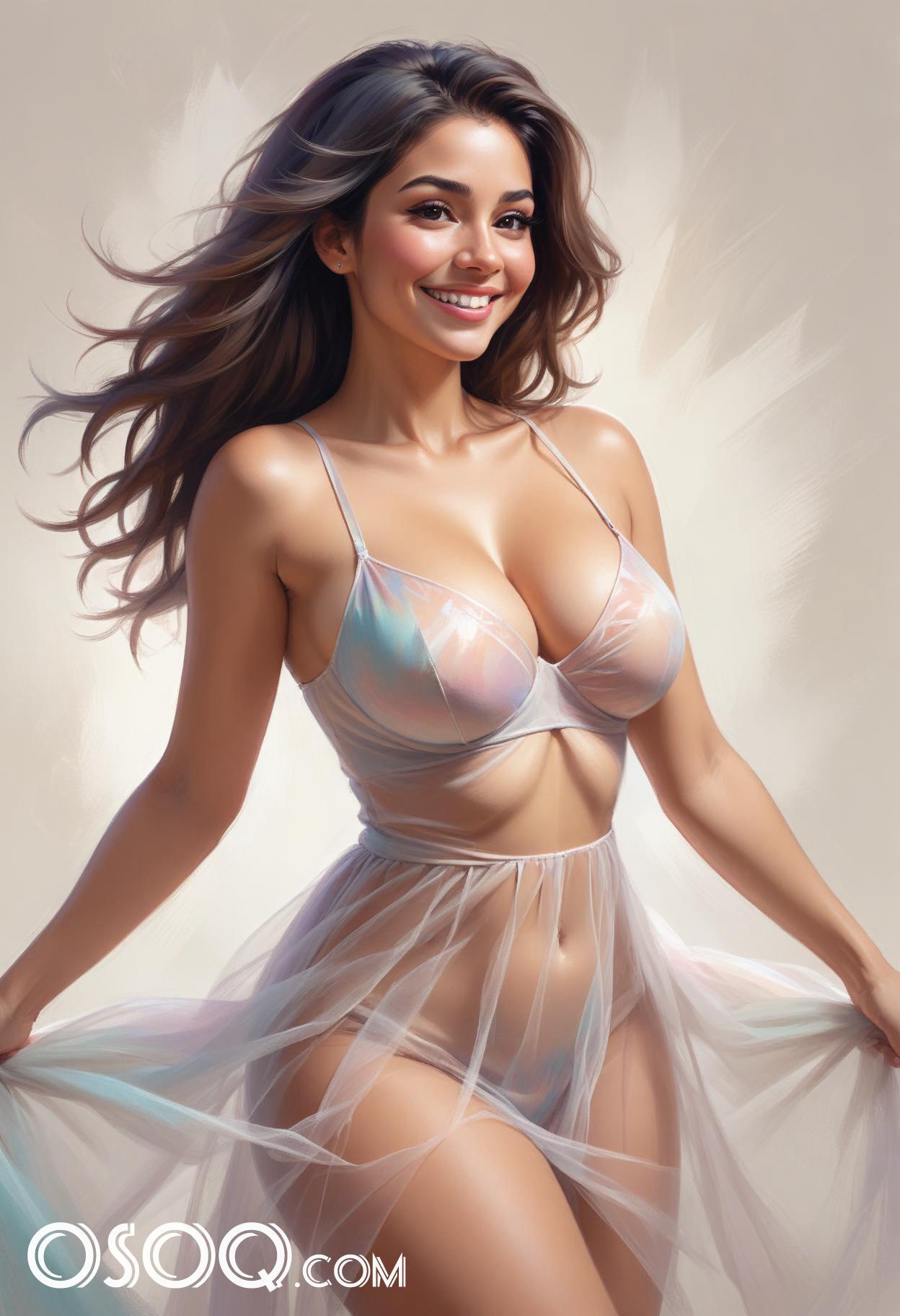
Abstract Expressionism, too, saw the influence of woman art with artists like Lee Krasner, who helped shape the movement with bold, energetic works that often pushed the boundaries of form and color.

Many contemporary women artists continue to push boundaries by using mixed media, performance, and even digital tools to create bold, politically charged works.
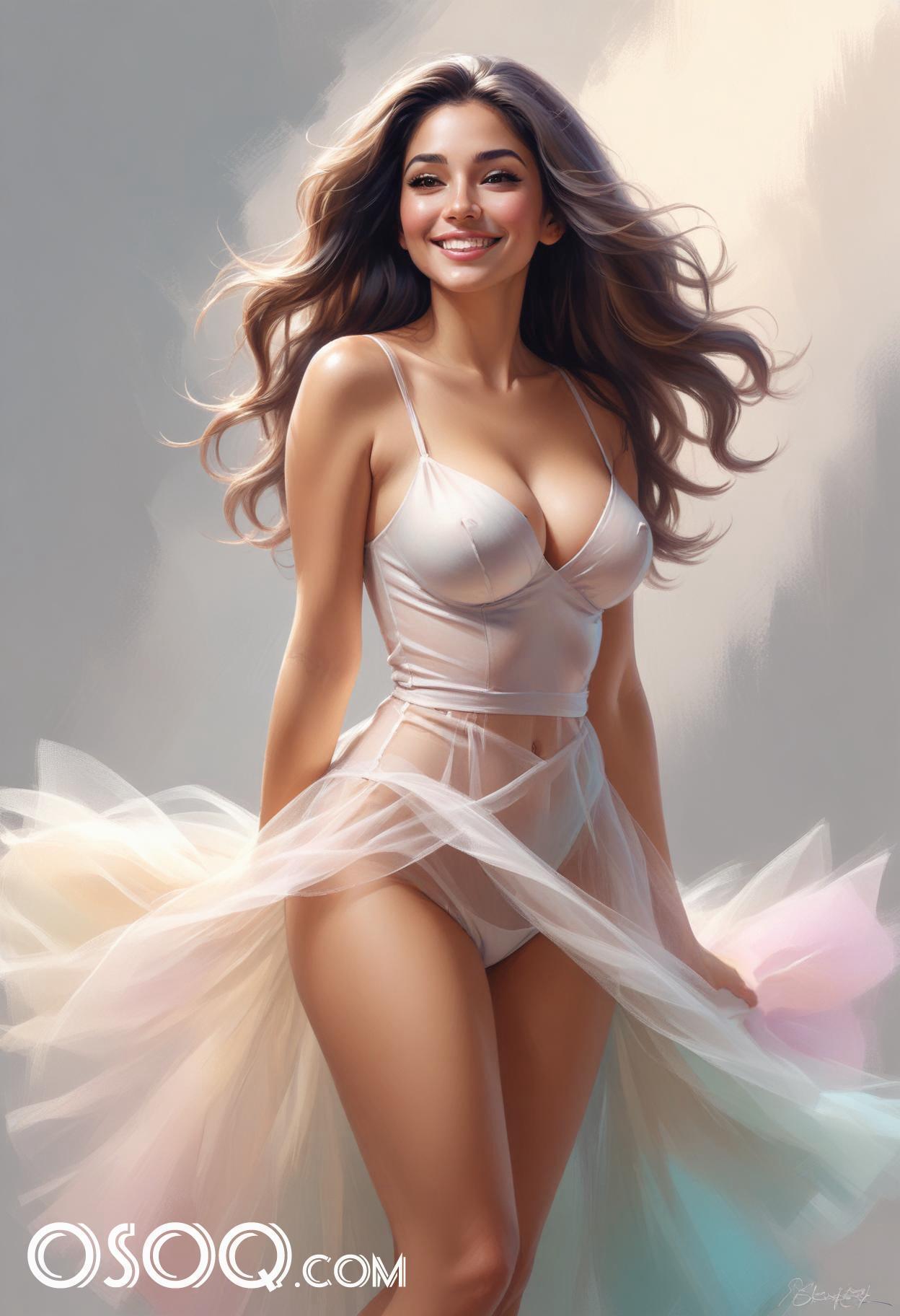
The representation of women in art, whether as subjects or creators, has evolved significantly, with more attention now being given to the female perspective in historical and modern art discussions.

Some women artists, such as Yayoi Kusama, are known for their avant-garde, almost dreamlike creations, which combine a playful use of color with deep reflections on mental health and obsession.

Woman art has often been intertwined with nature, with many female painters finding inspiration in the natural world, whether through realistic depictions or symbolic interpretations.

As art continues to evolve, women remain at the forefront, creating works that not only reflect their experiences but also challenge and redefine what art can be.